As Africa accelerates its Internet infrastructure development, the policies governing Internet Number Resources (also called IP Numbers) that underpin it are just as important as investment in connectivity and physical infrastructure.
Africa's digital infrastructure is expanding, creating opportunities for businesses, governments and communities to benefit from online services, innovation and cross-border trade. From digital financial services and e-commerce to cloud computing and artificial intelligence, Internet number resources are central to how these services run and to the infrastructure that supports them.
Yet one essential piece gets far less attention: the policies that govern how these resources are distributed across Africa.
Why Internet number distribution Policy matters in Africa
As Africa's connectivity needs evolve, so must the policies governing how Internet number resources are distributed and managed. These policies have practical implications for network operators, Internet service providers, businesses and institutions seeking IP numbers to establish or expand their digital infrastructure. They impose the way IP resources managed by the Institutions in charge of the distribution of these resources should be managed.
Importantly, such policies should reflect the realities and the needs of the region they serve. Africa's Internet ecosystem is diverse. Network operators in established markets may face different challenges from those in emerging markets. Smaller Internet service providers, educational institutions and growing businesses may also have different resource requirements. A policy framework developed through open community participation provides an opportunity for these perspectives to be considered.
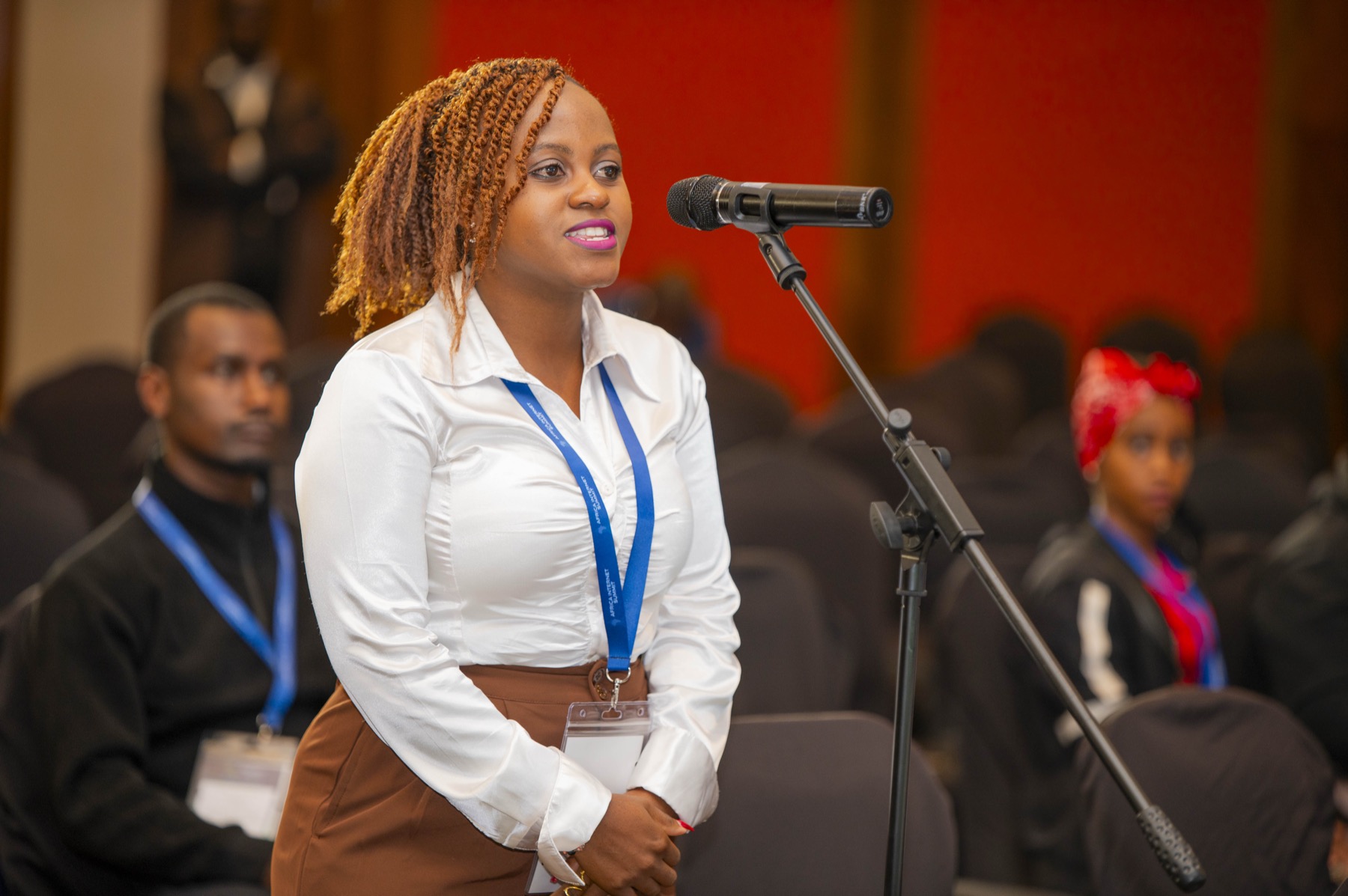
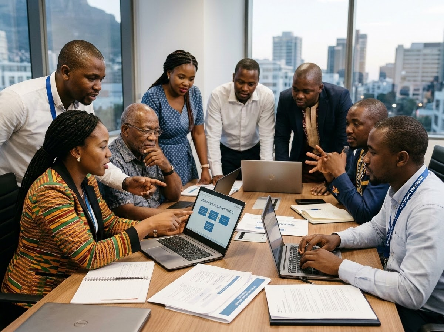
AFRINIC facilitates a bottom-up, community-driven Policy Development Process (PDP) through which members of the Internet community can propose, discuss and contribute to policies governing Internet number resources across the continent. The process is open to everyone. Policies are developed through community discussion and consensus rather than being determined unilaterally by any group of interests. This approach recognises that the people using, building and operating Africa's Internet should have a voice in shaping the policies that support its development.
From policy discussions to practical outcomes
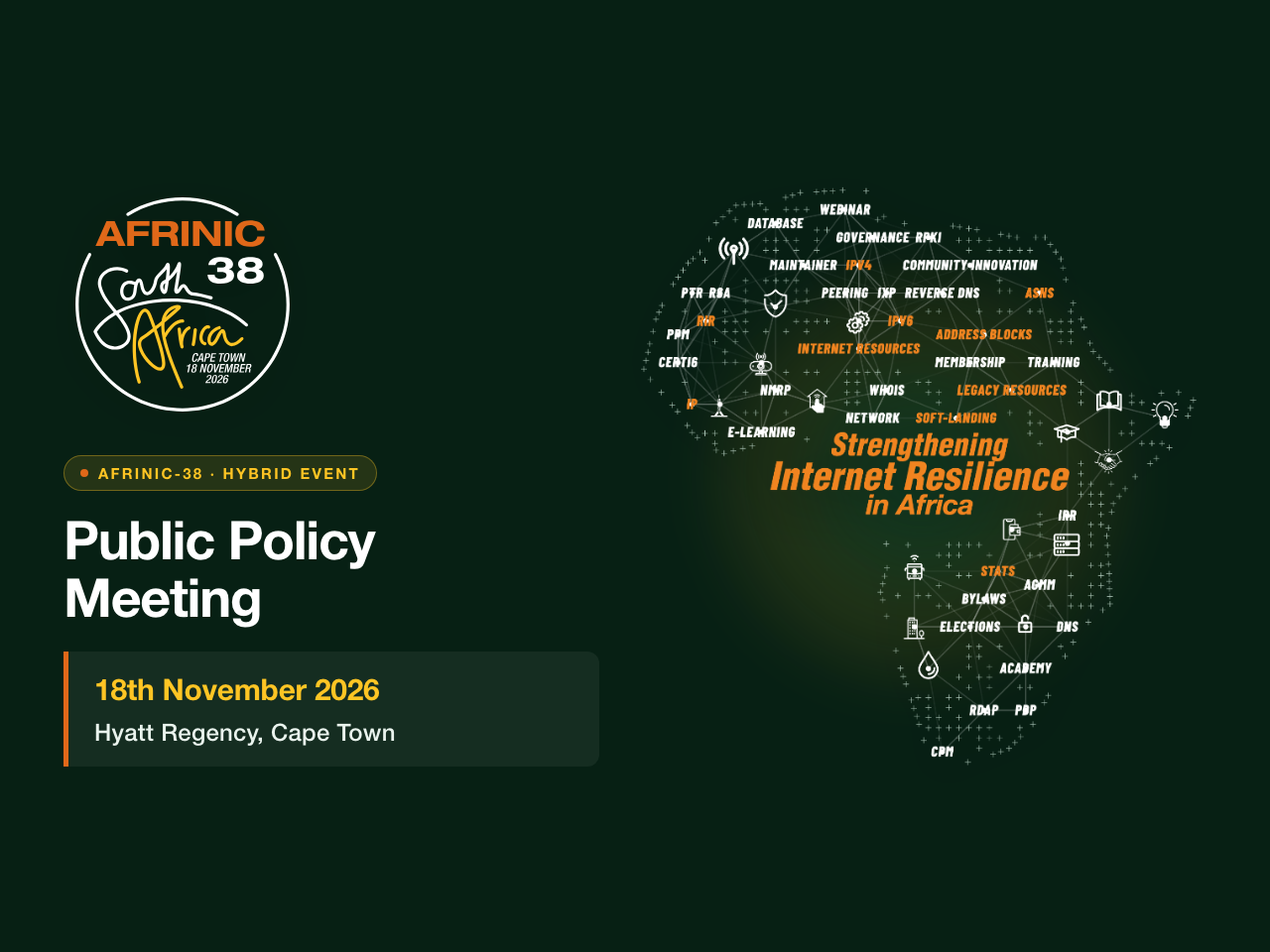
The importance of this process will be demonstrated at the AFRINIC-38 Public Policy Meeting, scheduled for 18th November 2026 in Cape Town, South Africa. The meeting will bring together Africa's Internet community to examine proposals concerning the management of Internet number resources and the operation of the policy development process itself.
Among the proposals under discussion is one examining whether IPv6 deployment should be considered as a criterion within the region's IPv4 soft landing policy. This discussion illustrates how Internet policy can intersect with a broader technical challenge: managing scarce IPv4 resources while encouraging the transition towards IPv6. Another proposal concerns the management of recovered IPv4 resources, including how available address space should be organised and distributed as resources become increasingly constrained. The meeting will also consider proposals concerning policy development procedures and transparency. These discussions are not simply administrative exercises. Their outcomes will influence and impact the operating environment for organisations that depend on Internet number resources. They also demonstrate why your participation matters. The proposals remain subject to community discussion and consensus, and their consideration does not imply that any particular outcome has been predetermined.

Africa's digital future requires participation
The decisions the AFRINIC community makes today will shape the environment in which future networks are built and digital services are delivered. We cannot afford to treat Internet number resource policy as a topic for technical specialists alone. Through its community-driven policy development process, AFRINIC helps lay the foundations on which Africa’s digital economy depends.
AFRINIC-38 is a chance for the wider Internet community to take part in that work. Whether they join in person in Cape Town or online, stakeholders can help shape decisions that affect how the Internet works for people every day.
Building the Internet Africa needs is a shared responsibility. Shaping the policies that support it must be, too.
Join the meeting online or in South Africa and participate in the policy discussions: https://af38.afrinic.net/
For more information on AFRINIC Policy Development Process, please visit: https://afrinic.net/policy
AFRINIC website: www.afrinic.net.
- Date: Wednesday, 18th November 2026
- Venue: Hyatt Regency Cape Town, South Africa
- Format: Hybrid (onsite and online)
- Registration: https://forms.afrinic.net/afrinic-38
- Meeting Programme: https://af38.afrinic.net/agenda
- Meeting Website: https://af38.afrinic.net/
We encourage you to review the policy proposals, register for the meeting and take part in the discussions.